
Review · SOUTH KOREA
Discover Round Korea in 7days: All-Inclusive Experience
Korea’s best stories are often outside Seoul, and this seven-day circuit reaches them with surprising range: Baekje tombs in Gongju, hanok lanes in Jeonju, tea fields in Boseong, seafood in Busan, Silla treasures in Gyeongju, and mountain scenery in Seoraksan. You get history, food, nature, and local traditions without having to rebuild your plans every morning.
I especially like the no-shopping format and the unusual hands-on stops, including tea with a Buddhist monk and traditional dessert making. The price also covers six hotel nights, 19 meals, admissions, transportation, and an English-speaking guide. The tradeoff is a full schedule, with several long road days and only short visits at some major sights.
Key points at a glance
- Gongju opens the trip with royal Baekje sites, including Gongsanseong Fortress, King Muryeong’s tomb, and a museum filled with unearthed treasures.
- Jeonju gives you Korea at street level, with hanok lanes, hanbok rental, Gyeonggijeon Shrine, and traditional food.
- Busan combines solemn history and seaside fun, from the UN Memorial Cemetery to Jagalchi Market and the Songdo Cable Car.
- Gyeongju brings Korea’s ancient capital to life, with Bulguksa Temple, royal burial mounds, golden crowns, and Cheomseongdae Observatory.
- The trip includes genuine participation, not just sightseeing, through monk-led tea conversation and Korean dessert making.
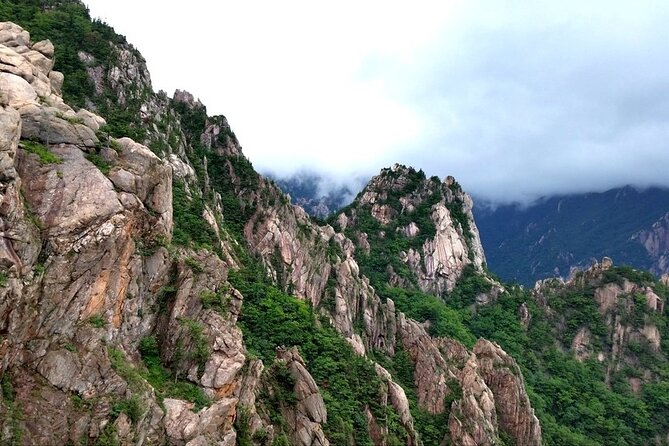
- Seoraksan closes the route with mountain scenery, though the tour requires moderate fitness and a willingness to keep moving.
Why this route works for a first visit
This is not a highlights tour limited to Seoul, Busan, and a few palace photos. It follows a broad sweep of Korean history, from the Baekje kingdom in Gongju to Silla-era Gyeongju, Joseon traditions in Jeonju, and modern Korean War history in Busan.
I like the way the route changes pace. One day you are in a museum looking at royal ornaments. The next, you are walking among tea bushes or watching the coast from a cable car. That variety keeps the week fresh, though it also means you should not expect long, unplanned afternoons.
The tour is especially useful if you want Korea’s cultural depth but do not want to manage intercity transport, hotel changes, restaurant planning, and admissions on your own. The group can include up to 35 people, and the vehicle changes according to group size. A smaller group may feel more nimble, while a full coach means a slower departure routine.
The listed price is $1,970 per person. That is not a budget tour, but the value becomes clearer when you count six nights of accommodation, six breakfasts, seven lunches, six dinners, all entrance fees, transportation, a guide, and a welcome kit. There are no shopping stops built into the program, which helps keep the focus on the places themselves.
More week-long retreats in the world:
- 7-Day TaiChi & Qigong Wellness Retreat in China
★ 5.0 · 20 reviews
Day 1: Baekje history in Gongju

The opening day goes to Gongju, an important former Baekje capital. At Gongsanseong Fortress, you spend about an hour seeing the hillside defenses and getting your first sense of the kingdom’s setting. The fortress is a UNESCO World Heritage site, and its elevated position makes the visit more than a museum stop. You see how geography shaped defense and settlement.
Next comes the Songsan-ri Tombs and the Royal Tomb of King Muryeong. The tomb is known for its brick-built burial design, a useful reminder that ancient Korea had strong cultural links with neighboring parts of East Asia. The visit lasts about an hour, so your guide’s explanation will matter here. Without context, burial chambers and artifacts can blur together.
The final Gongju stop is the Gongju National Museum, which holds around 10,000 cultural objects. You will see royal relics, gilt-bronze ornaments, and items connected with King Muryeong’s tomb. This sequence works well: fortress first, tomb second, museum third. You see the setting, then the burial site, then the objects that explain it.
Day 2: Hanok lanes and a quiet temple
Jeonju Hanok Village is one of the most photogenic stops on the route, but it is not only a backdrop for pictures. More than 800 traditional hanok houses fill the area, and the low tiled roofs and narrow lanes offer a look at older Korean residential design.
You begin around Gyeonggijeon Shrine, then have time to walk through the village. The schedule gives two hours for the main village visit and another hour for hanbok. Wearing traditional clothing here should make the streets feel more connected to the setting, rather than simply giving you another museum activity.
Gyeonggijeon Shrine was built in 1410 and holds a portrait of King Tae-jo, founder of the Joseon Dynasty. The stop gives the village a political and religious anchor. You are not just wandering through old-looking houses; you are seeing a place tied to the formation of one of Korea’s most important dynasties.
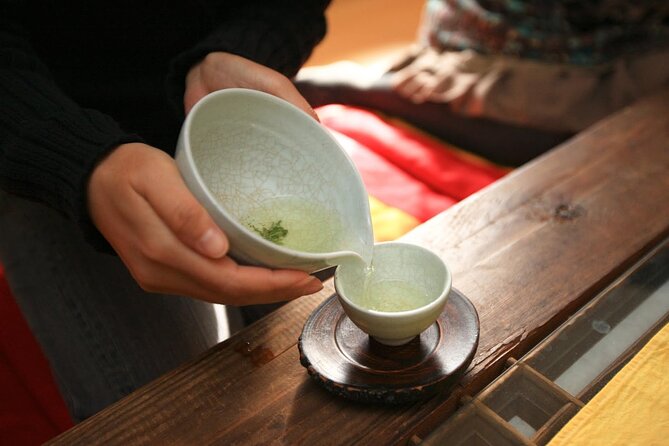
Later, Baekyangsa Temple changes the mood. The temple is known for its beauty in different seasons, and the program includes a tea conversation with a Buddhist monk. This is one of the week’s most distinctive moments because it offers quiet contact and reflection rather than another formal sightseeing stop.
The main caution on Day 2 is that Jeonju’s popularity can make the village feel busy, especially around its food lanes and central streets. The tour gives you a set amount of time, so you will need to choose between browsing, photos, food, and the hanbok experience.
Day 3: Tea country and coastal wetlands
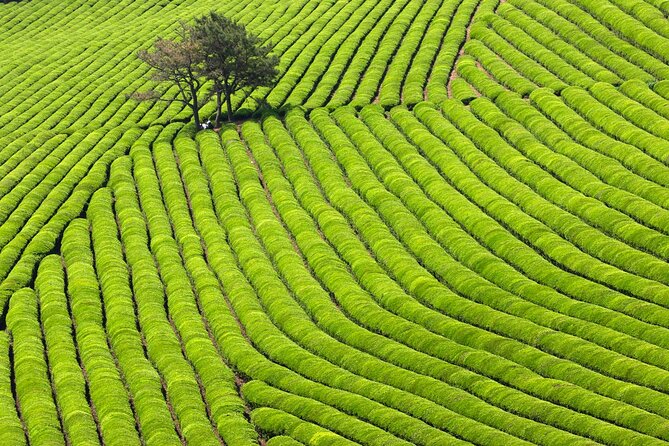
Boseong Green Tea Plantation, also called Daehan Dawon, brings a strong change of scenery. You spend about two hours walking between terraced rows of tea bushes, with views across the plantation. It is a gentle outdoor stop, but comfortable shoes still make sense because the visit involves walking on uneven ground.
The plantation is described as Korea’s largest green tea field, and the value here is visual as much as historical. You see how tea is grown and get a rural side of Korea that is easy to miss on a city-based itinerary. The scenery changes with the season, so this stop will not look identical year-round.
After lunch, the route continues to Suncheon Bay Wetland Reserve. This broad coastal marsh lies where river water meets the sea and supports more than 250 species. The two-hour visit gives you time to appreciate the open views and the meeting of water, mudflats, and vegetation.
This is a good day for anyone who wants outdoor scenery without giving up cultural content. It is also one of the lighter history days, so you get a break from tombs, royal objects, and temples. If you prefer fast city sightseeing, the wetland visit may feel slow. If you like walking and wide views, it may be one of the week’s best balances.
Same calm, a different treatment:
- Budapest: Széchenyi Spa Day Ticket with Optional Upgrades
★ 4.3 · 23,911 reviews - Reykjavik: Sky Lagoon Entrance Pass With 7-Step Spa Ritual
★ 4.8 · 6,166 reviews - Prague: Bernard Beer Spa with Beer and Massage Option
★ 4.8 · 4,164 reviews - Body Massage Experience in Ubud Traditional Spa
★ 5.0 · 3,506 reviews
Day 4: Busan’s memory, seafood, and coastline
The UN Memorial Cemetery is a thoughtful first stop in Busan. Around 2,300 graves are arranged by nation for service members who died during the Korean War. The setting is quiet and respectful, and it places modern Korean history at the center of the day.
Jagalchi Market then shifts you into everyday Busan. This is the city’s famous fish market, with stalls selling fresh seafood and local specialties. You get an immediate sense of Busan as a working port city rather than only a beach destination. The schedule allows about an hour, enough to look around without turning the visit into a long shopping session.
The Songdo Cable Car is the day’s visual payoff. It crosses about 1.6 kilometers from Songdo Beach Station to Songdo Sky Park, giving you broad coastal views from above. The ride and surrounding visit take about two hours, so you should have time to enjoy the setting rather than simply board and leave.
I like this combination because it avoids presenting Busan as just markets and ocean views. You receive a memorial, a market, and a modern attraction in one day. The possible drawback is pace: each stop has a different emotional and practical rhythm, and the day may feel packed if you want extended time at the market or coast.
Day 5: Busan to Gyeongju’s Silla treasures
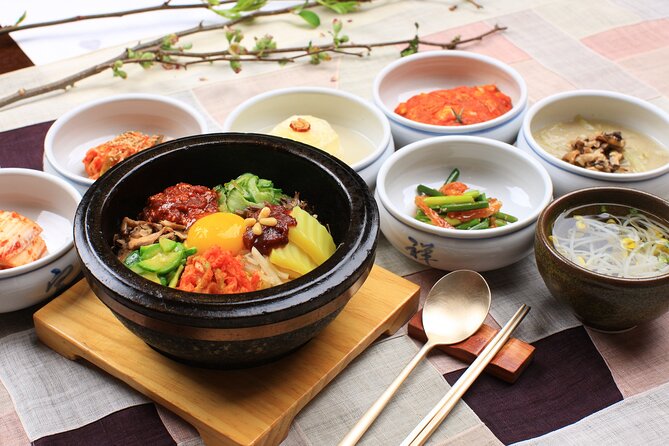
The morning starts on Dongbaekseom Island at Nurimaru APEC House, the glass-walled venue used for the 2005 APEC Summit. The building gives you a look at modern Korea’s international role, and the island setting adds a short coastal walk to the morning.
The route then heads to Gyeongju, Korea’s ancient capital for roughly a thousand years. At Bulguksa Temple, you see one of Korea’s best-known Buddhist sites and a UNESCO World Heritage property. The visit lasts about 90 minutes, long enough to appreciate the main structures and setting, though not long enough for a leisurely exploration of every corner.
Daereungwon Tomb Complex brings you among the large burial mounds of the Silla royal court. The grassy mounds can look simple from a distance, but the museum stop that follows explains the wealth and craftsmanship once placed inside them. This pairing is important: the tombs show the scale of royal power, while the objects show what that power produced.
At Gyeongju National Museum, you encounter Silla golden crowns and other works dating back about a millennium. Two hours here is generous compared with some of the shorter stops, and it gives you a chance to slow down and connect the day’s sites.
Cheomseongdae Observatory closes the day with a brief 20-minute visit. This ancient astronomical structure is one of Gyeongju’s familiar symbols. The stop is short, so think of it as a final outdoor viewing point rather than a full lesson in ancient astronomy.
Day 5 is one of the strongest history days, but it is also one of the busiest. Bulguksa, the tomb complex, museum, and observatory each deserve attention, and the transfer from Busan adds road time. Keep your expectations realistic: you will see a great deal, but you will not linger everywhere.
Day 6: Making sweets and meeting old Korea in Andong
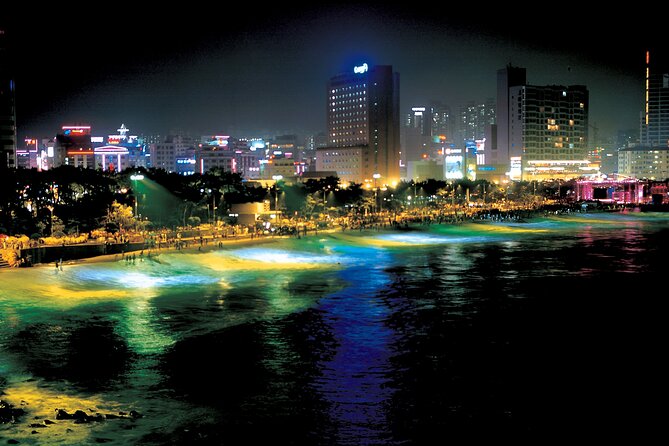
The morning’s traditional dessert-making session is a welcome change from looking at finished artifacts. At the Korean Traditional Culture Center, expert instructors guide you as you make Korean sweets. The activity lasts about 90 minutes and gives you a practical connection to food traditions.
This is the kind of stop that helps the trip feel personal. You are not only hearing about Korean customs. You are using your hands and taking part in a small piece of everyday culture. The exact dessert is not specified in the program, so do not book this expecting one particular recipe.
The afternoon goes to Andong Hahoe Folk Village, a UNESCO World Heritage site with more than 600 years of history. The village remains a living cultural place, not simply a collection of preserved buildings. You have about two hours to see its traditional homes and understand how the community developed.
Andong works well after Gyeongju because it shifts from royal grandeur to village life. You see how history appears in homes, lanes, customs, and local food, not only in palaces and museums. The day still includes road travel, so prepare for another early start and a fairly structured schedule.
Day 7: A mountain finish in Seoraksan
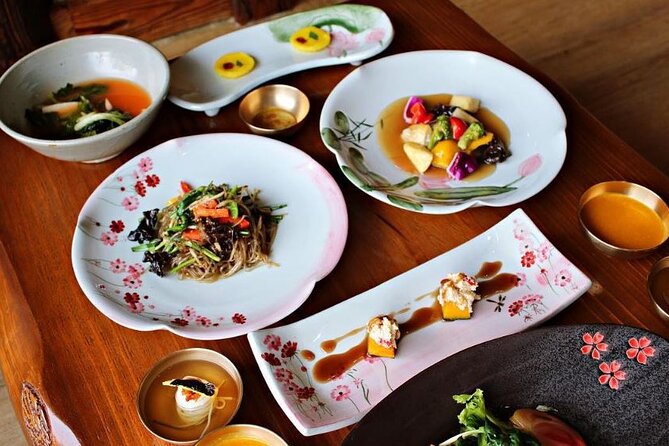
The final day heads from Pyeongchang to Jujeongol Valley in Seoraksan National Park. Dramatic rock formations, high peaks, and clear streams make this the trip’s major mountain outing.
You have about two hours in the park. That is enough for a meaningful walk, but this is not a full hiking holiday. The program asks for moderate physical fitness, and you should be ready for uneven paths and outdoor walking. The weather also matters, since poor conditions can lead to a changed date or a full refund.
Ending with Seoraksan is a smart choice. After a week of royal sites, museums, markets, and villages, the open mountain setting gives you room to breathe. It also provides a final reminder that Korea’s appeal is not only its cities and historic buildings.
Meals, hotels, and what all-inclusive really means
Six hotel nights are included in twin or double rooms. The exact hotel names are not provided, so you should confirm room arrangements if you are particular about bedding or sharing. The program describes the hotels as high quality, but the available details do not specify star ratings or room facilities.
Food is a major part of the price. You receive six breakfasts, seven lunches, and six dinners, with different kinds of traditional Korean food included. This is useful if you want to try local meals without choosing every restaurant yourself, though anyone with dietary restrictions should ask about arrangements before booking.
All-inclusive does not mean every expense disappears. Insurance, laundry, telephone, drinks, pay TV, haircuts, tips, and other personal costs are extra. Hotel pickup on the first day and drop-off at the end are also not included.
Who should book this seven-day circuit?
I would point this tour toward you if you want a broad first look at Korea and value a fixed plan. It suits people who enjoy history but also want food, nature, markets, traditional clothing, and hands-on activities. It is particularly useful if arranging trains, regional buses, hotels, and meals across the country sounds like work rather than fun.
The tour may not suit you if you want long free periods, late starts, or the freedom to change plans each day. A maximum group size of 35 is not intimate, and a full itinerary means you spend much of the week moving from one area to another.
The guide can make a real difference. One guide specifically praised in the feedback is Jay, described as friendly, kind, fun, and attentive to a group of 16 people. Guides can vary, but that detail suggests the service style aims to keep the group organized and cared for, not simply transported from stop to stop.
The starting point is Amid Hotel Seoul at 8:00 a.m., and the tour ends back at the meeting point. Staying there is recommended, which makes the first morning simpler. The activity is usually booked about 108 days ahead, so it is sensible to plan early.
My booking verdict
Book this if you want Korea in wide view rather than a slow stay in one city. The strongest parts are the unusual regional route, the no-shopping policy, the included meals, and the chance to take part in Korean traditions instead of only photographing them.
Skip it if you need a relaxed pace or carefully chosen independent hotels. At $1,970, the tour earns its price through coverage and convenience, not spare time. For a first visit, that trade can be worthwhile: you finish with royal history, mountain scenery, local food, and a much clearer sense of Korea beyond Seoul.
FAQ
Where does the tour start?
It starts at Amid Hotel Seoul, 38 Insadong 5-gil, Jongno District, Seoul, at 8:00 a.m.
Where does the tour end?
The activity ends back at the meeting point at Amid Hotel Seoul.
How long is the tour?
The tour lasts approximately seven days and includes six nights of accommodation.
What meals are included?
The price includes seven lunches, six breakfasts, and six dinners.
Are entrance fees included?
Yes. Entrance fees for all listed sites are included, including the Songdo Cable Car and the cultural attractions on the route.
Is hotel pickup included on the first day?
No. Pickup on the first day and drop-off on the last day are not included. Amid Hotel Seoul is the recommended place to stay and the meeting point.
How large can the group be?
The group can have a maximum of 35 participants. The vehicle varies according to group size.
What is the cancellation policy?
You receive a full refund if you cancel at least six full days before the start time. Cancellation two to six full days before the start time receives a 50 percent refund. Cancellations less than two full days before the start time are not refunded. If poor weather cancels the experience, you are offered another date or a full refund.
New spa and massage finds around the world
- Bari, Wellness massage, from the feet to the face at studio★ 5.0 · 2 reviews
- Bath: Virtual Reality Spa and Meditation Journey★ 5.0 · 4 reviews
- BEER SPA Niedermorschwihr★ 5.0 · 5 reviews
- Bangkok: Let’s Relax Spa Terminal 21 E-Voucher★ 5.0 · 2 reviews
- Bansko: Easy snowshoeing Pirin National Park & thermal spa★ 4.1 · 19 reviews
- Bangkok: Mind n Matter Massage Spa E-Voucher★ 5.0 · 5 reviews
- Bangkok: Urban Calm Spa E-Voucher★ 3.6 · 6 reviews
- Bangkok: Spa Experience at Oasis Spa★ 4.7 · 14 reviews