
Review · CHINA
Shanghai:Authentic Chinese Body/Foot Massage, Hair& Head SPA
Shanghai’s traditional massage experience is less about a polished hotel spa and more about hands-on Chinese therapy. You can choose Tui Na meridian massage, foot pressure-point work, cupping, moxibustion, or a hair and scalp treatment with shoulder massage.
I like the personal help from Bonnie, who organizes appointments, explains the treatment, and can translate with the therapists. I also like the choice of treatments and the sensible post-massage ritual: herbal tea and small snacks. The main caution is the pricing. The advertised booking amount covers the reservation commission, while the actual treatments cost extra, so confirm your final selection and price before you begin.
Key points to know before booking
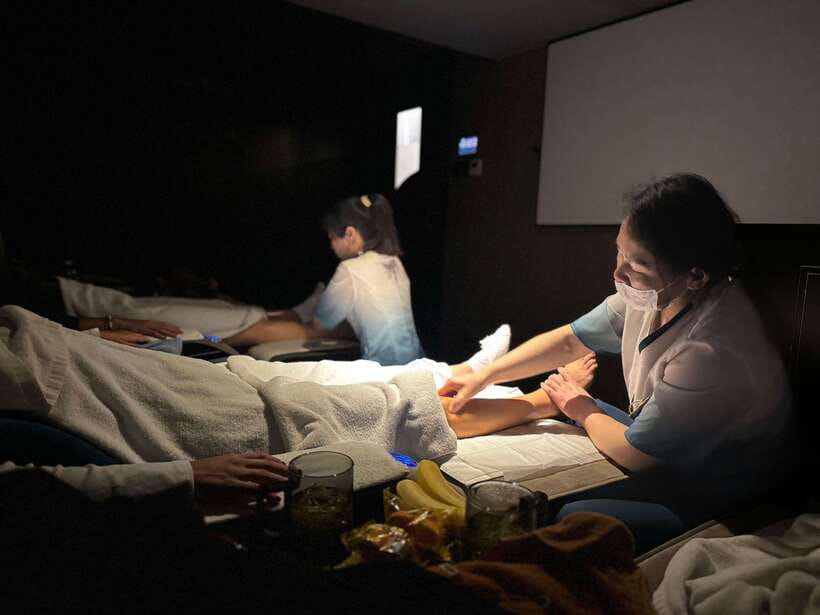
- Bonnie provides hands-on help: She may meet you, explain the treatment, translate with the spa staff, and help with practical questions.
- Tui Na is pressure-focused: Expect firm work on muscles, joints, and traditional meridian points rather than a gentle oil massage.
- You choose the treatment: Foot massage, oil massage, cupping, moxibustion, and scalp spa options are available at separate prices.
- Cupping leaves temporary marks: The round red or purple patches can remain for a while, so plan clothing and sightseeing with that in mind.
- The setting is practical, not luxurious: The focus is on effective treatment and friendly care rather than expensive decor.
- Tea and snacks finish the visit: A cup of traditional Chinese herbal tea and small snacks are included after the therapy.
This activity gives you a convenient introduction to several forms of Chinese body care in one booking. The core choice is usually a 60-minute treatment, but the menu ranges from Tui Na and foot massage to cupping, moxibustion, and a hair, head, and scalp spa.
The booking price shown for the experience is very low, listed as about $2 per person. That amount is described as the reservation commission fee, not the full cost of a massage. You pay separately for the treatment you choose. This distinction matters, especially if you are comparing the experience with a standard spa appointment.
The treatment prices provided are:
- Traditional Tui Na meridian massage, 60 minutes: 250 CNY, about €30
- Meridian massage with oil, 60 minutes: 300 CNY, about €37
- Traditional foot massage, 60 minutes: 220 CNY, about €27
- Cupping, 10 minutes: listed as 100 CNY in one price section and 120 CNY in the practical information, about €12 to €15
- Moxibustion, 60 minutes: 370 CNY, about €45
- Hair, head, and scalp washing with relaxation spa and shoulder massage, 60 minutes: 300 CNY, about €37
Because the cupping price appears differently in the supplied information, I would confirm that amount before treatment. Alipay and cash are accepted.
The exact meeting point depends on the option you book. That means you should not assume every treatment begins at the same spa address. Arrange the meeting details carefully, and keep your phone available for WhatsApp communication.
Bonnie is a major part of the practical side of this experience. She organizes the appointment and, according to the information provided, may meet you personally, help you find the location, and explain what will happen. This is particularly useful if you do not speak Chinese or are unsure how to discuss pressure, treatment choices, or prices.
Her help goes beyond a quick handoff. She has translated conversations between customers and spa staff, helped with transportation questions, and explained the tea service afterward. If you have a complicated schedule or are nervous about booking a treatment in an unfamiliar place, this extra support has real value.
That said, the treatment itself is provided by the spa therapists, not by Bonnie. Her role is arranging, explaining, and guiding. You should still tell the therapist directly, through Bonnie if needed, about pressure preferences, sore areas, and any treatment you do not want.
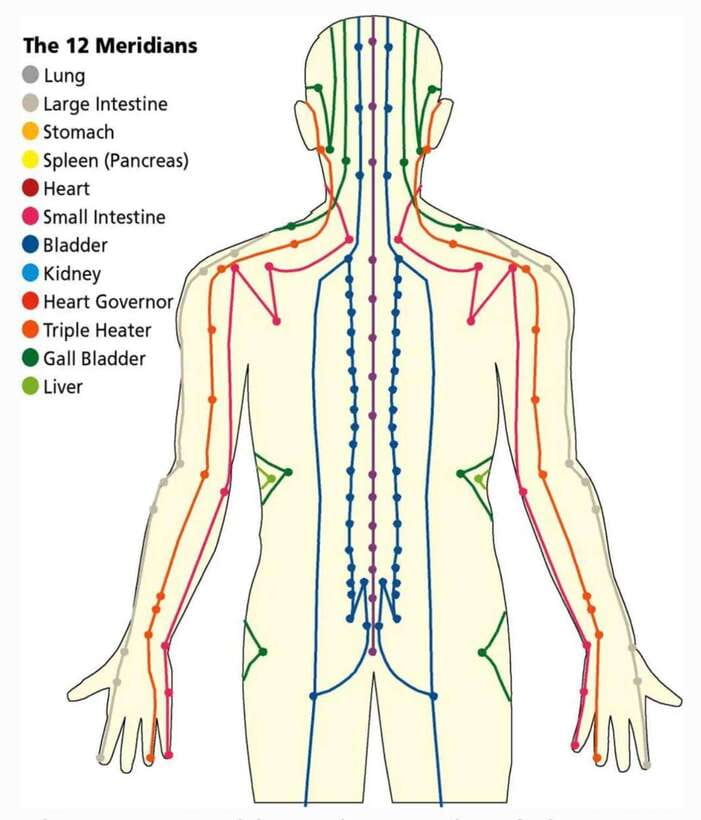
The traditional Tui Na massage is the clearest choice if you want to try a Chinese treatment rather than a familiar Western-style massage. Tui Na uses firm pressure, flowing movements, and attention to pressure points and meridian pathways. The description also refers to deep tissue work, improved circulation, and relief from muscle tension.
Expect a more active treatment than a soft relaxation massage. The therapist may use hands, thumbs, and focused pressure around tight muscles and joints. If you have spent several days walking around Shanghai, this can be a sensible way to deal with tired legs, shoulders, or a stiff neck.
The standard Tui Na session costs 250 CNY for 60 minutes. That is a fair price for a full hour of specialized massage, but the experience is not designed for everyone. If firm pressure makes you uncomfortable, ask for a lighter approach before the session starts.
The oil version costs 300 CNY for an hour. The extra 50 CNY buys a treatment that should feel more fluid and lubricated, though the supplied details do not specify exactly how the technique differs from the standard Tui Na session. Ask what oil is used and how much pressure to expect if you are deciding between the two.
The foot massage costs 220 CNY for 60 minutes. It is the least expensive full treatment listed and a good fit after a sightseeing-heavy day. Traditional foot massage uses pressure points across the feet, with the idea that specific areas connect to wider parts of the body.
The description uses the phrase food massage in one place, but the treatment list clearly refers to foot massage. This is a foot-focused service, not a meal-related activity.
Cupping takes about 10 minutes, making it easy to add to a massage. Cups are placed on the skin and create suction. This can produce temporary circular marks, often red or purple, as the skin reacts to the pressure.
The purpose described here is to encourage blood flow, ease muscle tension, and support a feeling of relief. You should treat those claims as traditional therapy goals rather than guaranteed medical results. Cupping is not simply a relaxing add-on, since the marks can remain after the session.
Think about timing. If you plan to wear a swimsuit, sleeveless clothing, or backless clothing soon afterward, cupping may not be the best choice. The supplied description specifically notes that the marks fade, but it does not give a precise fading time.
Cupping is optional. You do not need to accept it just because you book a Tui Na or foot massage. Ask where the cups will be placed and confirm the price before agreeing. The information gives both 100 CNY and 120 CNY, so this is one point worth checking clearly.
Moxibustion uses dried mugwort to warm selected acupuncture points. Unlike cupping, which creates suction, moxibustion is built around gentle heat. The supplied information describes the treatment as a 60-minute session intended to support energy flow and relaxation.
The listed price is 370 CNY, about €45, making it the costliest treatment option. The practical notes recommend taking it during the daytime. That advice may relate to the warmth of the treatment and the need to allow time afterward, but the exact reason is not explained.
If you choose moxibustion, ask the therapist to explain the process before starting. You should understand where the heat will be applied and how to signal if it becomes uncomfortable. As with all the treatments here, it is optional and should be selected because it interests you, not because you feel pressured to add it.
Pregnant women should not book this activity. If you have a medical condition or are unsure whether heat-based therapy is suitable for you, ask a qualified medical professional before choosing moxibustion or cupping.
The hair and scalp treatment offers a different kind of relaxation. It includes hair and scalp washing, a relaxation spa, and shoulder massage, lasting 60 minutes and costing 300 CNY.
This may suit you if you want something gentler and less intense than firm bodywork. The scalp treatment also adds a practical benefit after a long flight or a hot day in Shanghai: you leave with clean, soft hair rather than only relaxed muscles.
The supplied information describes hair feeling soft and shiny afterward. That result will depend on your hair type and the products used, so I would not book it purely for a cosmetic promise. Its stronger reason for booking is the combination of scalp care and shoulder massage.
Ask whether your treatment includes any extras before it begins. The listed service includes washing, scalp care, relaxation, and shoulder massage, but no additional hair styling is specified.
The exact order depends on the option you select, but the experience follows a simple pattern. Bonnie helps arrange the appointment and explains the treatment. You then meet the therapist, discuss the service, and begin the one-hour session, or add the shorter cupping service where appropriate.
For Tui Na, expect focused pressure and work on areas of tension. For foot massage, the attention stays mainly on the feet and pressure points. Moxibustion brings sustained warmth, while the scalp option combines washing with head and shoulder work.
The atmosphere appears comfortable and clean, but not high-end. One important point from the information is that this is not a fancy spa setting. If you need marble, scented rooms, robes, and hotel-level presentation, this may feel basic. If you care more about attentive service and the treatment itself, the simple setting may be perfectly adequate.
Afterward, you receive traditional Chinese herbal tea and tea snacks. Some descriptions also refer to fruit. This is a small touch, but it gives the appointment a proper ending and lets you sit for a moment before returning to sightseeing.
For Shanghai, the listed treatment prices offer reasonable value if you want a full hour of hands-on care. The foot massage at 220 CNY is the budget choice. Tui Na at 250 CNY adds a more distinctly traditional Chinese technique without a large price jump.
The oil massage and scalp spa each cost 300 CNY. Choose the oil massage if your priority is bodywork with a smoother feel. Choose the scalp spa if you want washing, head care, and shoulder attention.
Moxibustion costs 370 CNY, so it makes sense mainly if you specifically want to try this form of heat therapy. It is not the best value simply because it is the most expensive. The short cupping session can be a low-cost addition, but remember the possible marks and the inconsistent listed price.
The small booking charge can make the activity look almost free at first glance. It is not. Read the treatment prices as the real cost of participation, then confirm which optional services you are accepting. This is especially important if several people in your group choose different treatments.
I would recommend this for someone who wants a practical introduction to Chinese massage and appreciates help with local communication. Bonnie’s role is particularly useful for first-time visitors who want a clear explanation of the process and pricing.
It also suits you after several days of walking. The foot massage is an obvious choice, while Tui Na can address general body tension, including the neck and shoulders. One customer specifically described better neck movement after a meridian massage, which suggests the treatment may be useful when travel has left you stiff.
The scalp spa suits someone who prefers a head-focused service or wants a clean-up after a long flight. Cupping is best for someone curious about traditional therapy who accepts the temporary marks. Moxibustion suits someone interested in heat-based Chinese medicine practices and willing to spend more time and money.
I would not choose this activity if your priority is a luxury hotel spa or a completely private wellness retreat. The setting is practical, and the emphasis is on therapy, communication, and value rather than decoration.
The experience lasts one hour for the main treatment, while cupping takes about 10 minutes. A small group option is available, and the activity is wheelchair accessible according to the supplied information.
You can cancel up to 24 hours in advance for a full refund. A reserve-now, pay-later option is also available, which helps if your Shanghai schedule is still changing.
The activity is not suitable for pregnant women. If you are considering cupping or moxibustion for a health concern, remember that this is a tourism wellness service, not a substitute for medical care.
Payment can be made with Alipay or cash. Since the meeting point may change with the treatment option, confirm the address and start time after booking. The activity is valid for one hour, and you should check availability for current starting times.
Book it if you want an affordable, culturally specific treatment with personal help before and during the appointment. The strongest reasons are the range of choices, the full hour of care, and Bonnie’s practical support with explanations and translation.
For the best value, I would choose the 220 CNY foot massage if your legs are tired, or the 250 CNY Tui Na if you want the most traditional body treatment. Add cupping only if you are comfortable with temporary marks. Choose the scalp spa for a gentler experience, and moxibustion only if the technique itself interests you.
Skip it if you expect luxury surroundings or want one clearly advertised all-inclusive price. Confirm the exact treatment, meeting point, and total cost first. With that bit of care, this is a useful way to rest, try a traditional Chinese therapy, and return to Shanghai sightseeing feeling less worn out.
FAQ
More Foot Massages in the world:
- Private Montego Bay Bamboo Rafting with Limestone Foot Massage
★ 4.5 · 200 reviews - Bamboo Rafting and Limestone Foot Massage on Lethe River Private Tour
★ 5.0 · 114 reviews - Half-Day Tour Rafting on the Great River with Limestone Foot Massage
★ 5.0 · 84 reviews
How long does the massage experience last?
The main massage, foot massage, moxibustion, and hair and scalp spa options last 60 minutes. Cupping lasts about 10 minutes.
Is the treatment included in the booking price?
No. The listed booking amount covers the reservation commission fee. The massage and spa treatments are optional services with separate prices.
How much does the traditional Tui Na massage cost?
The 60-minute traditional Chinese meridian massage costs 250 CNY, listed as about €30.
More massages and spa days around the world:
- Budapest: Széchenyi Spa Day Ticket with Optional Upgrades
★ 4.3 · 23,911 reviews - Reykjavik: Sky Lagoon Entrance Pass With 7-Step Spa Ritual
★ 4.8 · 6,166 reviews - Prague: Bernard Beer Spa with Beer and Massage Option
★ 4.8 · 4,164 reviews - Body Massage Experience in Ubud Traditional Spa
★ 5.0 · 3,506 reviews
How much does the traditional foot massage cost?
The 60-minute traditional foot massage costs 220 CNY, listed as about €27.
Is an oil massage available?
Yes. A 60-minute meridian massage with oil costs 300 CNY, listed as about €37.
How much does cupping cost?
The information lists cupping at 100 CNY in one section and 120 CNY in another. Confirm the current price before treatment.
What does the moxibustion treatment cost?
The 60-minute moxibustion treatment costs 370 CNY, listed as about €45. The practical information recommends taking it during the daytime.
What is included after the treatment?
You receive a cup of traditional Chinese herbal tea and tea snacks after the therapy. Some descriptions also mention fresh fruit.
Can I pay with Alipay?
Yes. Alipay and cash are accepted.
Is the activity suitable for pregnant women?
No. Pregnant women should not book this activity.
Is the experience wheelchair accessible?
Yes. The activity information states that it is wheelchair accessible.
Can I cancel my booking?
Yes. You can cancel up to 24 hours in advance for a full refund. Reserve-now, pay-later booking is also available.
New spa and massage finds around the world
- Bari, Wellness massage, from the feet to the face at studio★ 5.0 · 2 reviews
- Bath: Virtual Reality Spa and Meditation Journey★ 5.0 · 4 reviews
- BEER SPA Niedermorschwihr★ 5.0 · 5 reviews
- Bangkok: Let’s Relax Spa Terminal 21 E-Voucher★ 5.0 · 2 reviews
- Bansko: Easy snowshoeing Pirin National Park & thermal spa★ 4.1 · 19 reviews
- Bangkok: Spa Experience at Oasis Spa★ 4.7 · 14 reviews
- Bangkok: Mind n Matter Massage Spa E-Voucher★ 5.0 · 5 reviews
- Bangkok: Urban Calm Spa E-Voucher★ 3.6 · 6 reviews
Other Foot Massages and Reflexology worth a look.

Private Montego Bay Bamboo Rafting with Limestone Foot Massage
Read our review →
Bamboo Rafting and Limestone Foot Massage on Lethe River Private Tour
Read our review →
Half-Day Tour Rafting on the Great River with Limestone Foot Massage
Read our review →
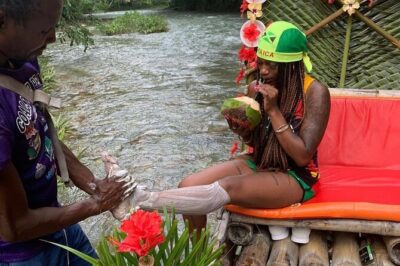
Montego Bay ATV Ride & Bamboo Rafting With Limestone Foot Massage
Read our review →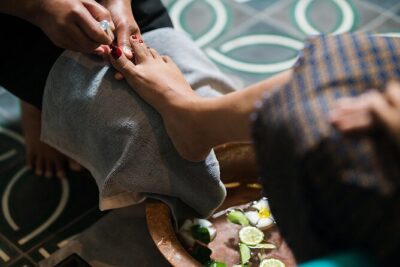
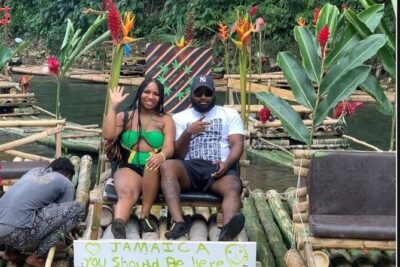
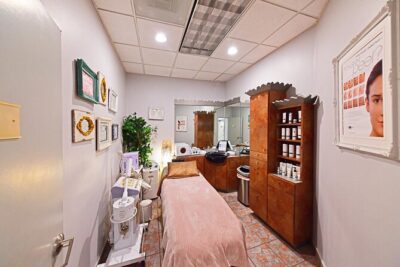
VIP 90-Minute Reflexology & Hot Stone Massage Combo
Read our review →Lists this treatment appears on